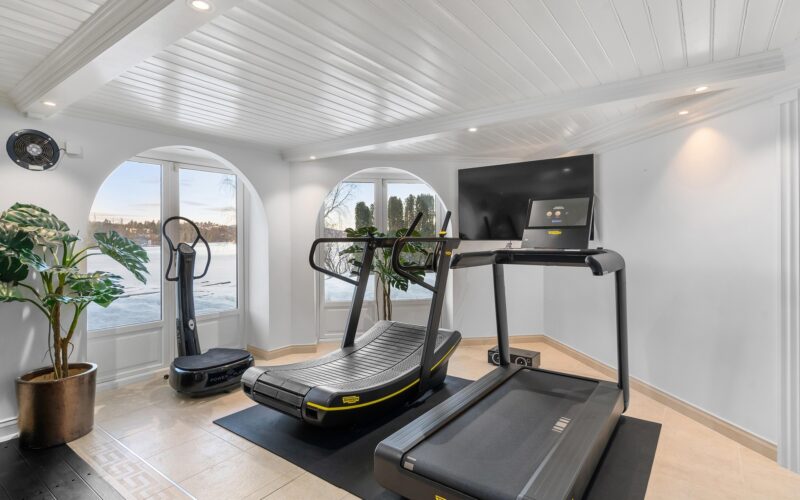
In the search for a compatible partner, we often focus on shared interests, humour, and life goals. While these are undoubtedly important, a deeper and often overlooked element of a strong partnership is a shared commitment to health and wellness. When couples align their values around fitness, nutrition, and overall wellbeing, they build more than just muscle; they construct a foundation for a resilient, supportive, and enduring relationship. This alignment goes beyond simply having a gym partner; it's about building a life together where mutual support for a healthy lifestyle is a core principle.
The power of shared goals
Pursuing fitness goals together creates a powerful sense of teamwork. Whether you are training for a 10k race, learning a new sport, or simply committing to daily walks, these shared objectives require collaboration and encouragement. This process mirrors the challenges and triumphs of a long-term relationship. As you motivate each other to push through a tough workout or celebrate hitting a new personal best, you are also practising the skills needed to navigate life's larger obstacles. This shared journey fosters a unique bond, turning individual achievements into collective victories and strengthening your connection through mutual effort and shared accomplishment.
Building deeper connection and communication
Engaging in physical activities together naturally opens up new avenues for communication. A conversation during a long hike can feel more open and relaxed than one across a dinner table. Sharing the experience of physical exertion can break down barriers, creating a space for vulnerability and honesty. Moreover, planning workouts, preparing healthy meals, and discussing wellness goals requires constant dialogue and negotiation. This practical communication strengthens a couple’s ability to work together, make joint decisions, and support each other's needs, not just in the gym, but in all aspects of life.
Mutual support and understanding
When both partners value a healthy lifestyle, a natural ecosystem of support emerges. One person understands why the other needs to wake up early for a run or chooses a nutritious meal over a less healthy option. There is an inherent empathy and respect for the discipline and commitment involved. This mutual understanding eliminates potential friction that can arise when partners have drastically different lifestyle priorities. Instead of being a source of conflict, wellness becomes a shared language, enabling you to better support each other’s physical and mental health. This support system is invaluable, particularly during times of stress or when one person’s motivation wanes.
Fostering personal and collective growth
A commitment to wellness is fundamentally a commitment to personal growth. It involves discipline, resilience, and a desire for self-improvement. When partners share this value, they inspire each other to be the best versions of themselves. This dynamic creates a positive feedback loop; your partner's dedication can fuel your own, and vice versa. This shared pursuit of growth keeps the relationship dynamic and prevents stagnation. As you evolve as individuals through your wellness journeys, you also grow together as a couple, building a partnership that is not static but constantly developing and strengthening over time.
Creating a lifestyle of shared experiences
Ultimately, shared wellness values translate into a lifestyle filled with positive, health-focused experiences. Your time together is not just spent on passive entertainment but on active pursuits that enrich your lives. Weekends might involve exploring new hiking trails, trying a new fitness class, or visiting a farmers' market to cook a healthy meal together. These activities create a bank of shared memories built on a foundation of health and vitality. This lifestyle strengthens the partnership by making wellness an integral and enjoyable part of your shared identity.
In essence, building a relationship on the foundation of shared wellness values is a powerful strategy for long-term success. It fosters teamwork, deepens communication, and creates a culture of mutual support and growth. By prioritising health together, couples do more than improve their physical fitness; they cultivate a resilient and deeply connected partnership prepared to flourish for years to come.